The 2025 Guide to Water Damage Restoration: What Every Homeowner & Business Owner Must Know
When water damage strikes—whether from storms, burst pipes, or leaks—every minute counts. The
difference between a successful restoration and long-term structural or health issues often comes down to
how quickly and effectively you respond. As of 2025, restoration technology and best practices have
advanced, giving property owners better tools and knowledge than ever before. Here’s what you need to know
right now.
1. Why Immediate Action is Critical
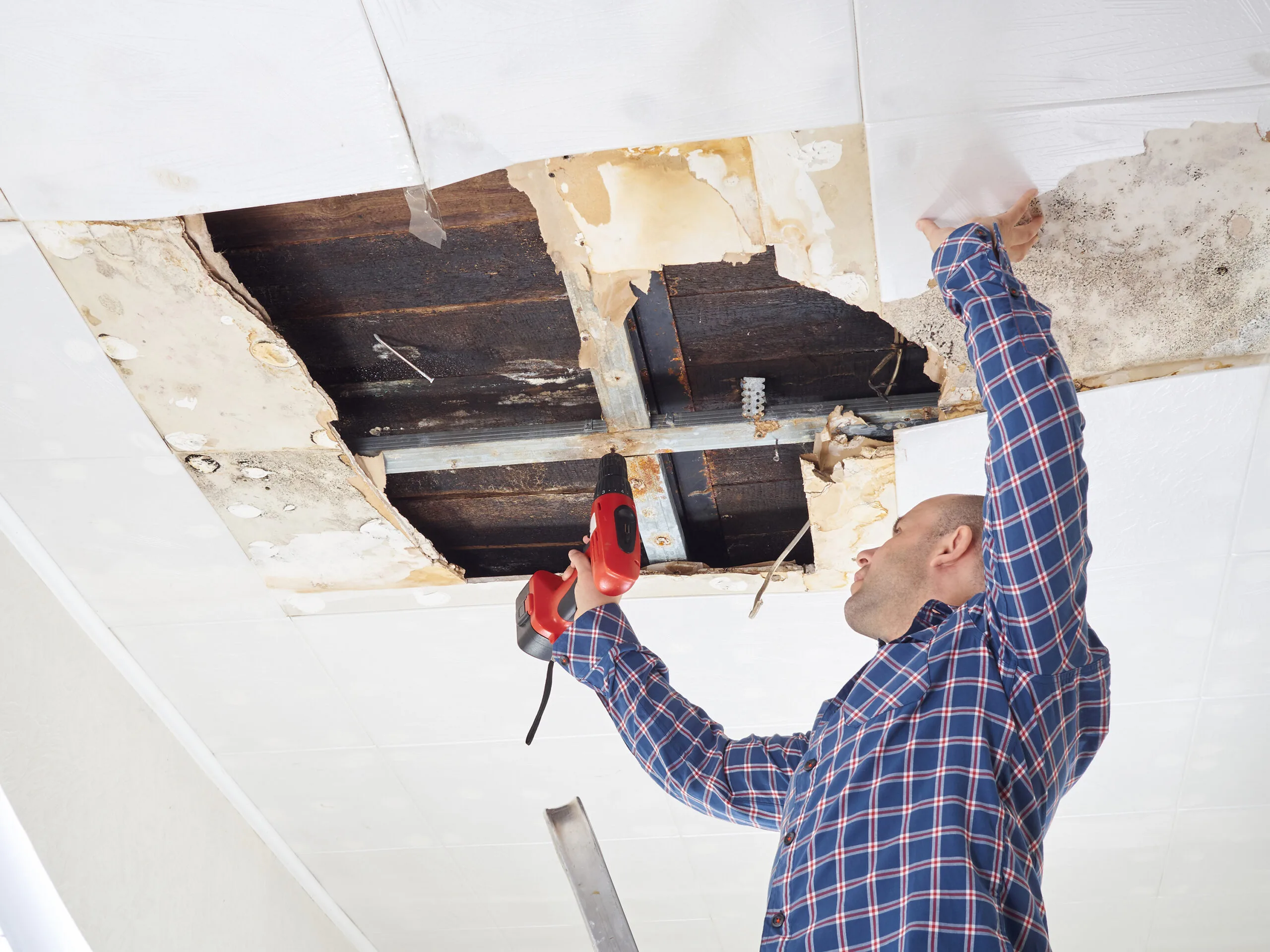
Water doesn’t just sit—it spreads. Within hours, it can soak into drywall, flooring, and insulation. Within days,
mold can begin growing, hidden behind walls or under flooring. Modern studies show that mold spores can
start colonizing in as little as 24–48 hours. Quick response isn’t optional—it’s essential to protect your
property and your health.
2. The Latest Advances in Water Restoration
Restoration professionals today use a combination of technology and science to restore properties more
efficiently:
- Moisture Mapping with Infrared Cameras – No more guesswork. Thermal imaging identifies hidden
moisture in walls and ceilings that the naked eye can’t see. - High-Capacity Desiccant Dehumidifiers – Newer systems dry large spaces faster, reducing
downtime for businesses. - Real-Time Remote Monitoring – Wireless sensors now track moisture levels 24/7, providing instant
updates to contractors and property owners. - Antimicrobial Treatments – Modern, eco-friendly solutions prevent mold without leaving strong
chemical odors.
3. Steps to Take Immediately After Water Damage
If you’re a homeowner or business owner, here’s the action plan:
- Ensure Safety First – Turn off electricity in affected areas. Avoid standing water where live wires may
be present. - Stop the Source – Shut off the water supply if the damage is plumbing related.
- Document the Damage – Take photos and videos for your insurance claim before cleanup begins.
- Call a Certified Restoration Professional – Look for contractors with IICRC certification (Institute
of Inspection, Cleaning and Restoration Certification). - Contact Your Insurance Company – The earlier you notify them, the smoother your claim process
will be.
4. Insurance & Water Damage in 2025
Insurance companies are tightening policies around water damage. Many now require proof that you acted
quickly to mitigate damage. Failure to call a professional promptly may reduce your coverage. Keep detailed
records of all restoration steps, including invoices, photos, and drying reports.
5. Preventing Future Water Damage
Prevention is more affordable than restoration. Here are proactive steps for 2025:
- Install smart water leak detectors that alert your phone instantly.
- Service and inspect your roof, gutters, and sump pumps regularly.
- Insulate pipes against freezing temperatures.
- Review your insurance policy, make sure flood and sewer backup coverage are included if you’re in a
risk zone.
Final Word
Water damage is stressful, but with the right knowledge and modern restoration practices, you can minimize loss, protect your health, and get back to normal faster. Whether you’re safeguarding your family’s home or keeping your business operational, remember speed + expertise = successful restoration.
Storm & Hail Damage in 2025: What Every Property Owner Needs to Know
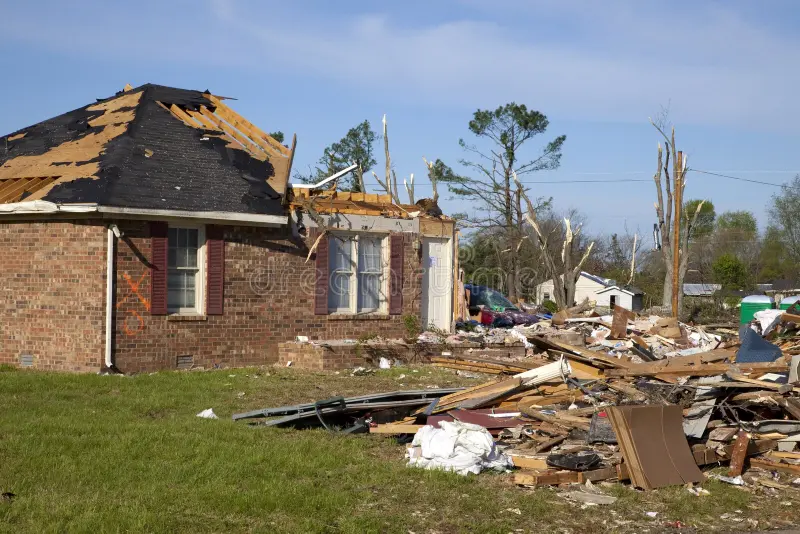
Storms and hail don’t just leave behind broken branches and wet driveways—they can cause serious, lasting
damage to your home or business that isn’t always obvious at first glance. What looks fine today may turn
into costly repairs months from now.
damage to your home or business that isn’t always obvious at first glance. What looks fine today may turn
into costly repairs months from now.
Why Hail and Wind Are So Destructive
- Roof Damage You Can’t See – Hail bruises and cracks shingles, which compromises the protective
granules. Even if the roof isn’t leaking now, its life is shortened. - Hidden Water Intrusion – Wind-driven rain sneaks under damaged shingles or siding, setting the
stage for leaks and mold growth. - Structural Weakness – Gutters, flashing, and siding may be loosened or cracked, creating weak
spots that worsen over time.
Long-Term Risks of Ignoring Storm Damage
- Leaks that appear weeks or months later.
- Mold growth in walls and attics.
- Voided roof warranties due to hail impacts.
- Higher repair costs from small problems becoming big ones.
How to Protect Yourself
- Get a professional inspection after every major storm, even if you don’t see damage.
- Keep a record of storm dates in your area—insurers often ask for proof.
- Don’t assume “no leaks” means “no damage.” Hidden problems can take time to show.
Final Word
Storm and hail damage isn’t always immediate but it is always serious. The faster it’s identified and reported, the more protection you have against expensive repairs and insurance disputes. *** Don’t wait until water stains or leaks show up—by then, it’s often too late. Schedule a storm inspection as soon as possible after severe weather.